August 31, 2026
Understanding the essentials of hiring a local roofing contractor is crucial for ensuring quality service and protecting your investment. This article guides you through the key aspects to consider when selecting a local professional for your roofing needs. Given the importance of a sturdy roof, selecting the right contractor is a decision that should be made with care. The process involves not just understanding the scope of services offered but also evaluating the expertise and trustworthiness of potential contractors. With the insights provided here, homeowners can make informed choices that safeguard both their property and their financial investment.
Understanding the Role of a Roofing Contractor
Definition and Scope of Work
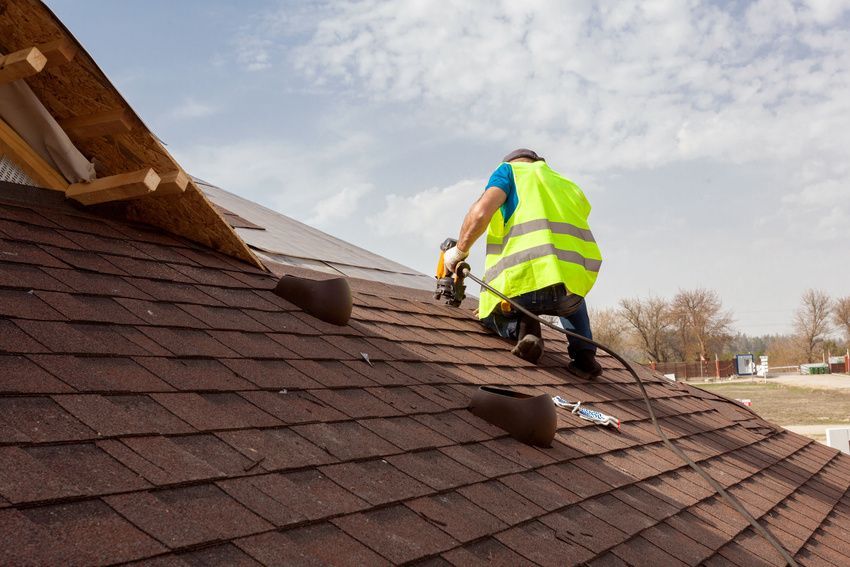
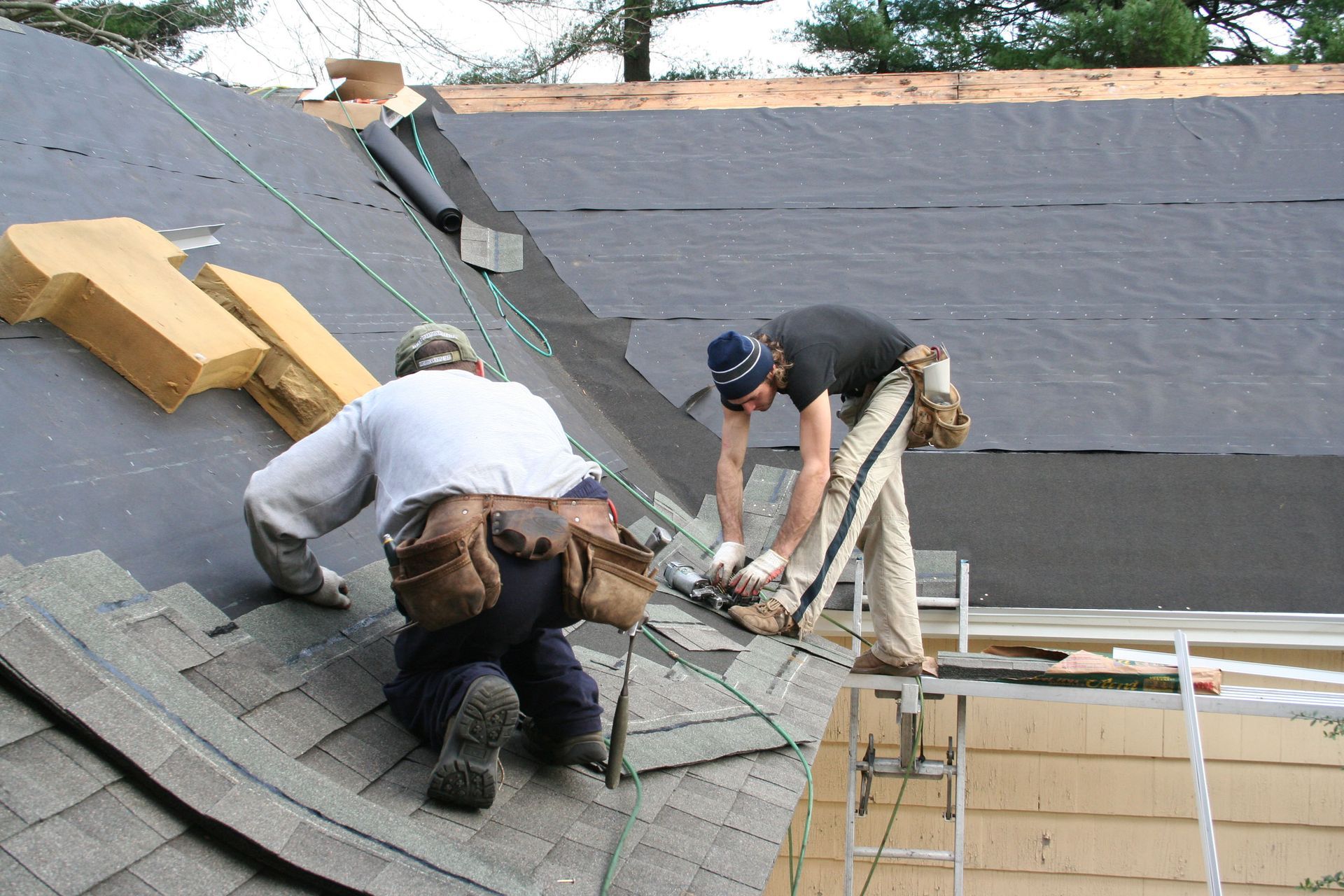
A roofing contractor handles the installation and repair of roofs, a critical component of any building’s structure. Their work ensures that homes are well-protected from the elements, reducing the risk of damage and energy loss. The scope of a roofing contractor’s work can vary widely depending on the type of project, ranging from minor repairs to complete roof replacements. It is essential to hire a contractor who is experienced with the specific materials and techniques required for your project. Choosing the right materials and methods can significantly impact the roof’s longevity, energy efficiency, and overall cost.
Types of Roofing Materials Used
Various materials are available for roofing, from traditional asphalt shingles to metal, tile, and eco-friendly options like green roofs. Each material comes with its benefits, durability, and cost considerations, directly influencing the project outcome. Asphalt shingles are popular due to their affordability and ease of installation, while metal roofs offer longevity and enhanced protection against severe weather. Understanding the pros and cons of each material aids in selecting the best option for specific climate conditions and architectural styles. Homeowners should consider both initial cost and long-term maintenance when selecting materials for their roofs.
Importance of Licensing and Certification
Licensing and certification are critical indicators of a roofing contractor’s professionalism and compliance with building standards. Licensed contractors are required to adhere to state, local, and industry regulations, ensuring a higher standard of work and accountability. Certification from roofing manufacturers can also indicate expertise and familiarity with specific products, leading to better installation practices. Hiring a licensed and certified contractor protects against future issues related to poor workmanship and unmet building codes. Checking a contractor’s credentials is a vital first step in the selection process to ensure peace of mind and legal protection.
Evaluating Local Roofing Contractors
Checking Credentials and Experience
When evaluating roofing contractors, it is important to verify their credentials and experience in the industry. A contractor’s track record can reveal their reliability, quality of work, and customer satisfaction. Experienced contractors are more likely to have encountered and resolved various roofing issues, providing assurance that they can handle your project. Checking their portfolio and asking for past client references can offer valuable insights into their performance and reliability. Choosing a contractor with extensive experience in your specific roofing type can help prevent potential mishaps and complications during the project.
Reading and Interpreting Reviews
Online reviews and testimonials are powerful tools for assessing a contractor’s reputation and service quality. Platforms like Google Reviews, Yelp, and the Better Business Bureau provide candid feedback from previous clients about their experiences. By carefully analyzing reviews, homeowners can identify patterns related to both positive outcomes and potential red flags. It’s important to consider both the number and content of reviews, as well as how the contractor responds to complaints. Engaging with previous clients can also offer direct insights into a contractor’s working style, reliability, and adherence to timelines.
Requesting and Comparing Quotes
Requesting detailed quotes from multiple contractors is essential for comparing services, materials, and pricing. An itemized estimate helps unearth hidden costs and ensures all aspects of the job are covered before the project begins. When comparing quotes, look beyond the bottom line; consider the scope of work, materials included, and timeline. Contractors who provide clear, detailed quotes demonstrate transparency, enabling better trust and communication. Once a fair comparison has been made, homeowners can choose a contractor who offers the best combination of price, service, and expertise.
Understanding Contracts and Estimates
Key Elements of a Roofing Contract
Comprehensive contracts protect homeowners by detailing the exact scope of work, payment schedules, and timelines. A well-crafted contract should outline materials, labor, and all associated costs, along with terms for unforeseen changes. Contracts must also specify warranties and guarantees on workmanship and materials to safeguard against defects or premature failures. It's vital for homeowners to read and understand every clause, seeking clarity on anything ambiguous. This document serves as an agreement, ensuring both parties fulfill their obligations and reducing the risk of disputes.
Breaking Down a Detailed Estimate
An estimate is a projection of the project’s total cost, covering labor, materials, permits, and any additional expenses. Understanding the detailed breakdown allows homeowners to budget accurately and avoid unexpected financial strains. Estimates should be comprehensive, noting any potential variables that could impact the final cost. A transparent estimate reflects the contractor's commitment to honesty and helps build trust with potential clients. Approximately 38% to 40% of all roofing jobs in the U.S. are directly tied to an insurance claim, highlighting the need for clear and thorough estimates in cases of damage claims.
Identifying Potential Hidden Costs
Hidden costs can significantly inflate the perceived budget of a roofing project, making it crucial to identify them early. These costs may include unexpected repairs, additional materials, or extra labor not initially accounted for. Contractors should provide a contingency plan or budget to manage potential overages while ensuring the overall project cost remains transparent. Open communication with the contractor is vital for addressing potential financial surprises as they arise. Homeowners should approach contractors who proactively discuss these possibilities while providing solutions to manage them effectively.
Importance of Local Knowledge
Familiarity with Local Building Codes
Local building codes dictate various structural, safety, and environmental standards that must be followed during roofing projects. Contractors with in-depth knowledge of these regulations ensure compliance, preventing penalties or future issues related to non-conformance. This expertise allows for projects to proceed smoothly with fewer barriers and delays. Choosing a contractor familiar with local codes adds significant value by streamlining approval processes and ensuring safe, efficient completion. Building code violations can result in fines and costly changes, underlining the importance of selecting knowledgeable professionals.
Understanding Regional Climate Impacts
Local knowledge includes understanding the region's climate and its impact on roofing materials and techniques. Contractors familiar with your area's weather patterns can provide valuable insights into material durability, thermal efficiency, and weather resistance. Climate considerations, such as heat exposure, rainfall, and snow loads, directly influence a roof’s longevity and performance. Selecting materials and construction techniques suited to local climate conditions can enhance a roof’s lifespan and efficiency. A local contractor’s experience with regional conditions can guide homeowners in making informed, climate-sensitive decisions.
Choosing the right local roofing contractor involves detailed research and careful consideration of various factors including qualifications, local expertise, and reliability. This comprehensive guide has outlined critical aspects such as understanding contractor roles, evaluating credentials, and navigating safety and contract requirements. Informed decisions based on these guidelines can help homeowners secure quality work, ensuring their roofing investment is protected for many years to come. Partnering with professional, reliable contractors not only enhances roof integrity but also adds peace of mind to homeowners. Adhering to these principles fosters strong working relationships and contributes to valuable home improvements. According to Roofr, approximately 38% to 40% of all roofing jobs in the U.S. are directly tied to an insurance claim. Be sure to reach out to Top Notch Roofing Siding today to learn more about our professional local roofing contractors!