August 28, 2026
Replacing the top structure of your home represents a major financial commitment, making the selection of the right contractor critical to a successful outcome. Having an experienced local roofer handle the installation protects your investment and ensures your property stays safe from severe weather year after year. Asking targeted questions during initial consultations allows you to evaluate reliability, craftsmanship, safety protocols, and business practices before signing any legal agreements, authorizing work orders, or submitting initial deposits. Taking time to carefully vet prospective contractors ensures clear communication, realistic project timelines, transparent pricing, and complete peace of mind throughout the entire life of your home improvement project.
1. How Long Have You Been Operating as a Local Roofer in This Community?
Working with an established local roofer ensures that your contractor understands regional climate challenges, local building codes, and appropriate material choices for your neighborhood. Years of regional experience indicate a stable business that will remain active long after installation to support potential warranty needs, unexpected leak repairs, or ongoing structural maintenance. Established professionals maintain strong relationships with regional material suppliers, ensuring reliable delivery, fair pricing, and steady project progress without frustrating supply chain delays or material shortages. Inquiring about regional history helps verify that the crew possesses hands-on knowledge specific to homes built in your immediate area and understands local architectural styles thoroughly.
2. Can You Provide Proof of Proper Licensing and Comprehensive Insurance Coverage?
Verifying active licenses and insurance coverage safeguards homeowners against severe financial liabilities resulting from accidental property damage or crew injuries. Every local roofer must maintain active general liability coverage along with workers' compensation insurance to protect all parties during active construction on site. Requesting direct certificates of insurance from the insurance provider ensures coverage remains fully active throughout the anticipated project schedule without unexpected lapses. Contractors missing valid documentation create unnecessary exposure to municipal fines, legal disputes, or personal financial burdens should unexpected site incidents, equipment damage, or bodily injuries happen on your residential property.
3. Do You Provide Detailed Written Estimates and Clear Payment Schedules?
Clear financial documentation prevents unexpected costs from surfacing once demolition and construction work begin on your property. A dependable local roofer supplies an itemized proposal outlining costs for labor, tear-off expenses, trash disposal fees, flashing, underlayment, and raw building materials. Asking about payment structures protects your cash flow, as reasonable contractors require reasonable initial deposits with full payments tied directly to verifiable project milestones and satisfactory completions. Thorough quotes make comparing competing proposals straightforward while establishing firm expectations regarding overall project expenses, potential change orders, and final financial obligations before any work begins on site.
4. What Specific Roofing Materials Do You Recommend for My Home?
Selecting appropriate materials influences overall longevity, home energy efficiency, seasonal performance, curb appeal, and total replacement costs. According to RubyHome, asphalt shingles are the most common roofing material, used in roughly 80% of roofing projects. An expert local roofer evaluates architectural requirements, slope dimensions, ventilation needs, and environmental exposure before proposing material options such as dimensional shingles, metal panels, slate tiles, or cedar shakes. Requesting detailed explanations regarding material durability guarantees long-term satisfaction with both aesthetic appearance and protective performance under adverse weather conditions, heavy winds, seasonal freezing, and intense solar heat.
5. What Warranties Cover Material Quality and Installation Workmanship?
Comprehensive protection includes two separate coverage types: manufacturer warranties covering product defects and contractor warranties covering installation labor. A reliable local roofer explains coverage limitations, claim filing procedures, maintenance requirements, and duration lengths for both material and workmanship guarantees in plain language. Understanding whether warranties transfer to future buyers adds valuable selling leverage if you plan to sell your property later on down the road. Clarifying warranty conditions upfront prevents confusion and avoids out-of-pocket expenses if unexpected maintenance issues, storm damage, or leaks arise during the covered lifespan of the installed system.
6. Will Your Crew Remove the Old Roof Entirely Before Installing New Materials?
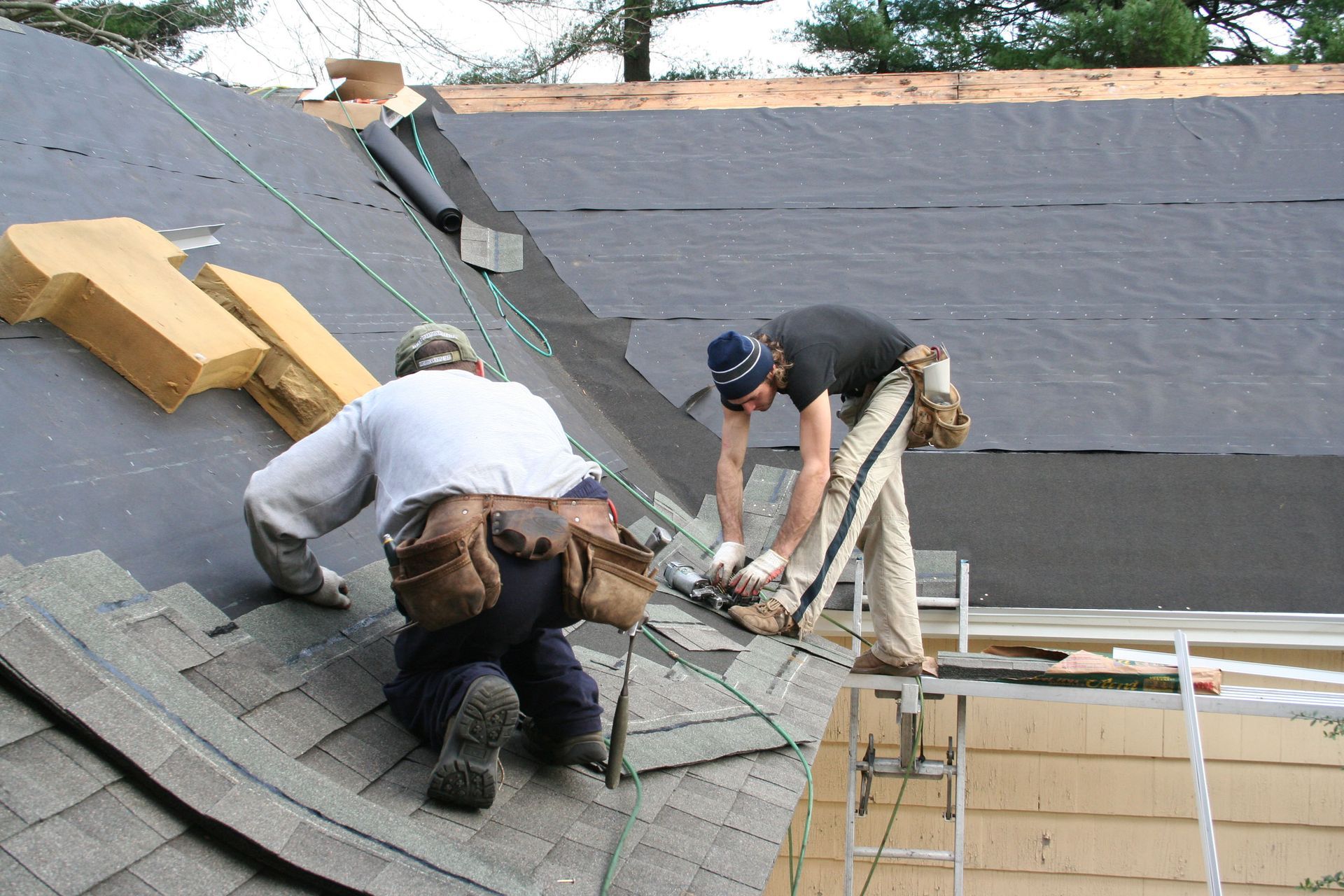
Installing new shingles over existing layers hides damaged decking, structural rot, and trapped moisture that drastically shorten the lifespan of your new installation. A professional local roofer performs a complete tear-off to inspect underlying wood decking, replace damaged plywood sheets, and install modern water barriers across vulnerable areas like valleys and eaves. Inquiring about tear-off practices confirms that structural integrity comes first, preventing future leaks or hidden rot beneath newly applied materials. Full removal guarantees a smooth, level surface that allows new materials to adhere correctly, seal properly, and perform exactly as designed by the manufacturer.
7. How Do You Protect My Landscaping, Driveway, and Property During Construction?
Roofing projects create heavy debris, falling nails, discarded materials, and heavy foot traffic around surrounding property areas throughout the teardown and reconstruction phases. A conscientious local roofer outlines specific preventive steps, including laying protective tarps over delicate plants, shielding gutters from falling impact, and utilizing magnetic sweepers daily to gather loose metal fasteners from grass and driveways. Understanding site preparation policies gives confidence that flowers, siding, parked vehicles, and paved driveways will remain undamaged during tear-off and construction. Asking about clean-up routines ensures your property stays safe for pets, family members, and visitors throughout the multi-day project duration.
8. What Plan Is in Place to Manage Unexpected Weather Delays?
Unpredictable rain showers or sudden high winds present unique challenges during active roof replacements when decking remains exposed to outside elements. An organized local roofer monitors local weather patterns closely and maintains commercial-grade tarps and quick-sealing synthetic materials on site for immediate emergency protection. Inquiring about emergency weather protocols demonstrates contractor readiness and guarantees your home interior remains completely dry if sudden storms develop during active construction hours. Experienced crews adjust schedules efficiently to maintain high safety standards without sacrificing project quality, workmanship integrity, or structural protection during unforeseen weather events.
9. Will You Acquire All Necessary Local Building Permits Before Starting Work?
Completing major structural upgrades requires official building permits and municipal inspections to verify adherence to safety standards, structural guidelines, regional codes, and zoning requirements. An experienced local roofer handles permit applications, schedules municipal inspections, and ensures all construction complies fully with local regulations and regional building codes. Bypassing official permit processes can create severe legal hurdles, municipal fines, voided insurance policies, or complications when selling your home in the future. Confirming that your contractor manages all regulatory filings guarantees that installation work meets rigorous quality checks, safety guidelines, and municipal building mandates from start to finish.
10. Who Will Oversee Daily Onsite Operations and Serve as My Direct Contact?
Clear communication throughout active construction prevents misunderstandings, maintains accountability, manages timeline expectations, and resolves questions quickly. A communicative local roofer assigns a dedicated site manager or project supervisor to manage daily crew activities, oversee safety protocols, enforce quality standards, and communicate progress updates directly to homeowners. Knowing who manages daily operations provides a direct line of contact for any questions regarding schedules, material deliveries, worker conduct, or cleanup routines. Dedicated site supervision keeps projects running smoothly from initial tear-off to final walkthrough inspection, ensuring every detail meets your standards.
Asking critical questions during contractor selection ensures your home receives superior protection, durable craftsmanship, and long-lasting material performance. Taking time to review credentials, warranties, safety protocols, and written proposals gives complete confidence in your final hiring choice. Protect your home and invest in long-term structural security by contacting Top Notch Roofing Siding today to schedule a comprehensive property consultation.