August 31, 2026
Maintaining a strong and reliable home exterior requires dedication, knowledge, and consistent care. The top structure of your house acts as the primary defense against harsh weather, temperature fluctuations, and environmental debris.
Over time, constant exposure to the elements takes a toll on even the highest quality exterior materials. Homeowners consistently look for the best ways to protect this vital architectural investment. Seeking guidance from industry experts offers the most effective path forward. Experienced roofers understand the intricate details of exterior structural health.
They observe firsthand how neglect leads to premature deterioration and costly interventions down the road. By following the advice of those who spend their days analyzing and working on residential properties, property owners establish a solid foundation for long-term durability.
The following insights provide actionable perspectives on preserving the structural integrity of your property. Rather than waiting for a severe storm or obvious leak to take action, proactive property management preserves value and comfort. Embracing these professional strategies keeps the structure functioning optimally year after year.
1. Understanding the Importance of Proper Ventilation
Attic ventilation plays a critical role in the overall health of a residential property. Many roofers emphasize that an improperly ventilated attic traps excessive heat and moisture, which rapidly degrades exterior materials from the inside out.
During hot summer months, trapped heat transfers downward into the living space, forcing air conditioning systems to work harder and inflating energy costs.
Furthermore, this intense heat accelerates the aging process of asphalt shingles, causing them to crack, curl, and lose their protective granules prematurely. In colder seasons, the lack of airflow allows warm, moist air from the home to condense on cold attic surfaces.
This persistent condensation fosters the growth of mold and mildew, compromising the wood decking and internal rafters. A balanced ventilation system creates a continuous flow of air. This airflow regulates temperature and humidity levels, extending the lifespan of the entire structural system.
Understanding this dynamic helps homeowners recognize the value of professional assessments. Experts accurately calculate the required ventilation area and install the appropriate fixtures to keep the attic environment balanced.
2. Keeping the Gutters Clear of Debris
The drainage system attached to the eaves serves as a crucial component of structural water management. Professional roofers recommend maintaining clean and unobstructed gutters to prevent severe water damage throughout the property.
When leaves, twigs, and dirt accumulate in the troughs, rainwater cannot flow freely toward the downspouts. Instead, it overflows the edges, cascading down the siding and pooling directly around the foundation. This pooling water erodes the surrounding soil, damages landscaping, and eventually infiltrates the basement.
Additionally, clogged gutters hold standing water, which becomes incredibly heavy and strains the wooden fascia boards. In freezing temperatures, this trapped water turns into solid ice, creating heavy dams that pry the drainage system away from the house. Ice dams also force melting snow backward under the shingles, leading to significant interior ceiling leaks.
Routine cleaning by qualified individuals prevents these cascading structural failures. Proper drainage directs precipitation safely away from vulnerable areas. Homeowners need to schedule seasonal clearings to keep the channels flowing freely at all times.
3. Trimming Overhanging Tree Branches Regularly
Mature trees add immense beauty and welcoming shade to a residential property, but they also pose significant risks to exterior structures. Seasoned roofers advise homeowners to keep a watchful eye on branches extending directly over the house.
When branches rub against the shingles during high winds, they scrape away the vital protective asphalt granules. This repetitive friction exposes the underlying fiberglass mat to harsh ultraviolet rays, leading to rapid material deterioration.
Furthermore, overhanging branches provide a convenient bridge for pests, such as squirrels and insects, to access the upper levels of the home. These animals often chew through wood and nesting materials, creating immediate entry points for rainwater.
Trees also drop substantial amounts of debris, including leaves and pine needles, directly onto the structure below. This organic debris accumulates in the structural valleys, retaining moisture and accelerating the decay process.
By hiring professional arborists to prune branches back several feet from the eaves, property owners eliminate these physical threats. Regular trimming maintains landscape aesthetics while protecting the home from mechanical damage.
4. Addressing Minor Roof Repairs Promptly
Small structural issues escalate into massive failures when ignored by property owners. Local roofers understand that a single missing shingle or a slightly damaged flashing seal represents a serious breach in the defensive barrier of the home. Water possesses an incredible ability to find its way through the absolute smallest crevices.
Once moisture infiltrates the underlayment, it begins to rot the wooden decking and compromise the vital insulation below. Homeowners sometimes dismiss minor imperfections because they do not immediately see a noticeable leak inside the house.
However, by the time a water stain appears on a living room ceiling, the internal hidden damage is already extensive. Routine professional inspections identify these subtle vulnerabilities before they progress into catastrophic problems. Experts meticulously spot cracked caulking around skylights, deteriorating rubber pipe boots, and loose metal flashing.
Correcting these minor defects requires minimal time and financial resources compared to a complete structural rehabilitation. Proactive maintenance acts as a protective shield for the home, catching everyday wear and tear in its infancy. Addressing small details preserves the structural integrity of the entire residence.
5. Choosing the Right Materials for Replacement
Eventually, every residential property requires a complete exterior overhaul due to natural aging and prolonged element exposure. Skilled roofers know that selecting the appropriate materials for a replacement project fundamentally impacts the longevity and performance of the new installation.
According to RoofCalc, a typical residential roof across the United States measures approximately 1,600 square feet. Covering this expansive area requires careful consideration of local climate trends, neighborhood architectural style, and personal budget constraints.
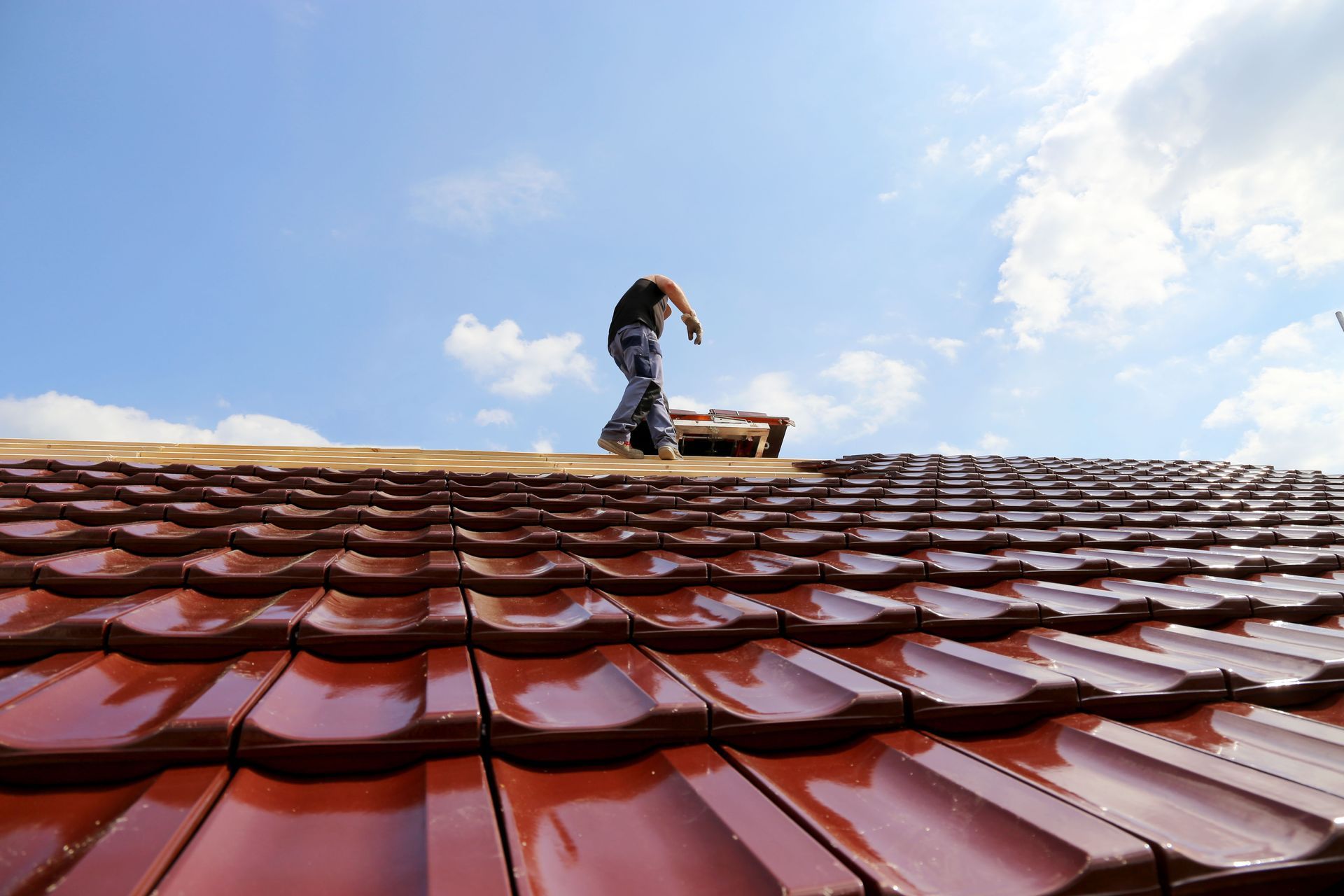
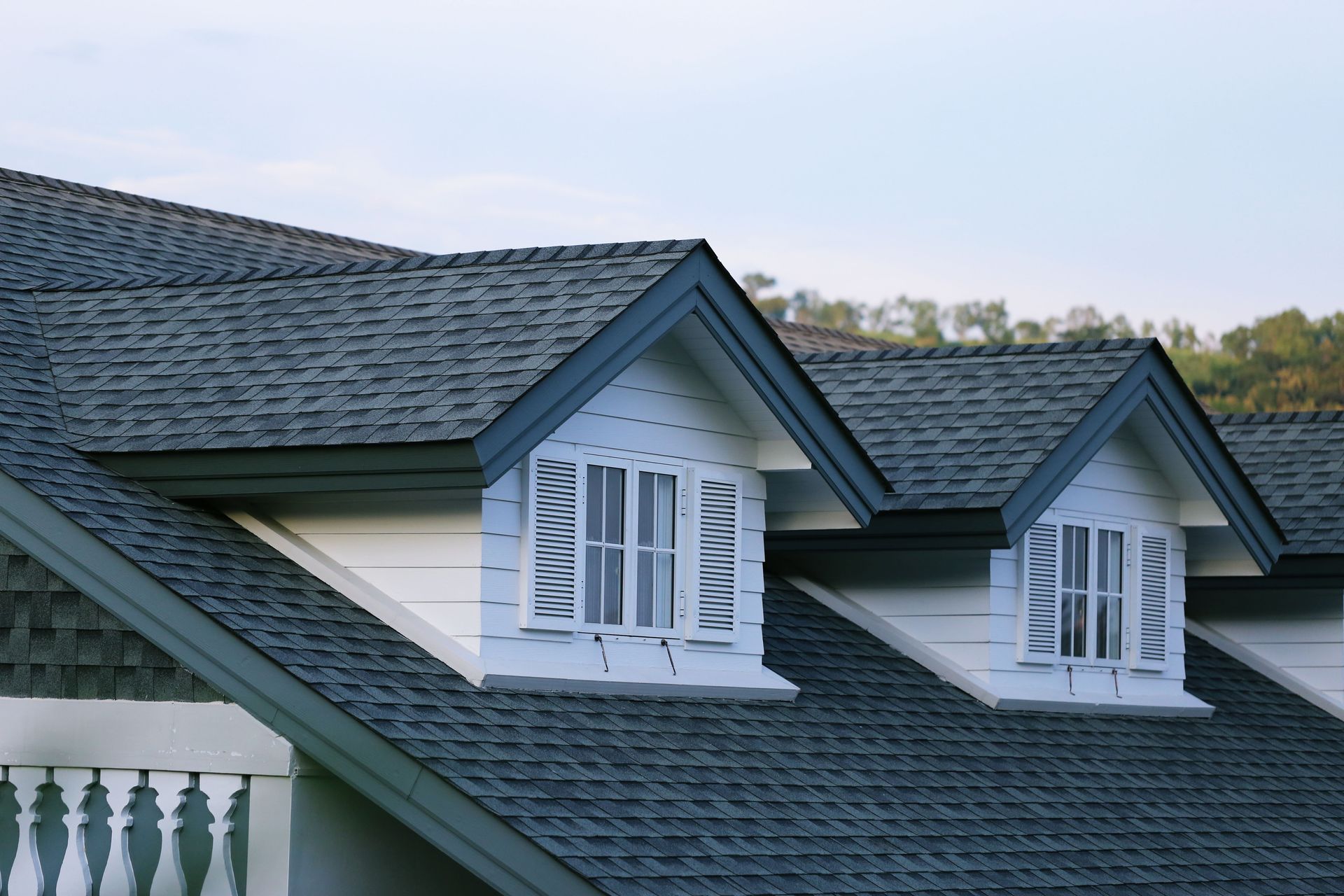
Asphalt shingles remain a highly popular choice due to their overall versatility and cost-effectiveness. Metal options provide exceptional durability and fire resistance, making them ideal for areas prone to wildfires or heavy winter snowfall. Slate and clay tile offer unparalleled aesthetic appeal and longevity, but demand a heavily reinforced structural framework due to their immense physical weight.
Each building material behaves differently under specific environmental stressors. Consulting with dedicated professionals helps homeowners successfully navigate these complex choices. Experts evaluate weather patterns and building codes to recommend the most suitable products. Making an informed decision yields a robust, weather-resistant barrier.
6. Relying on Experienced Contractors for Assistance
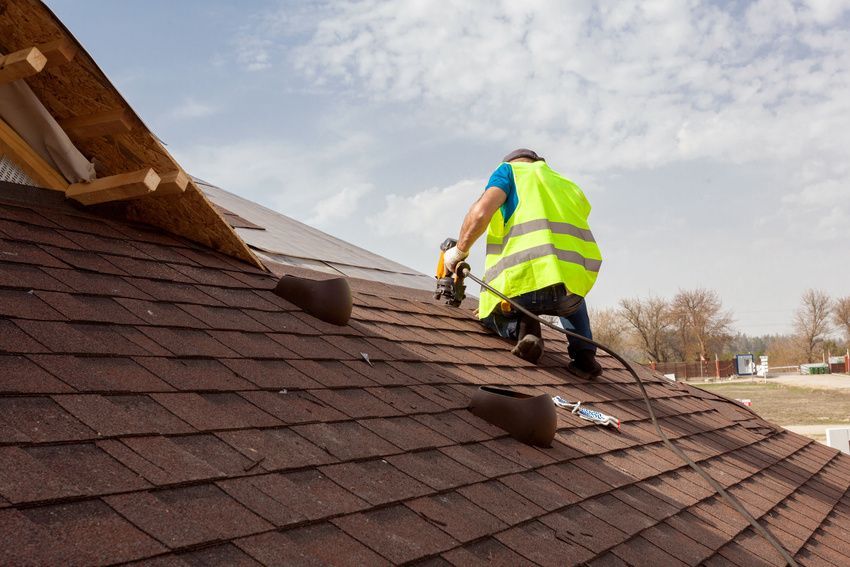
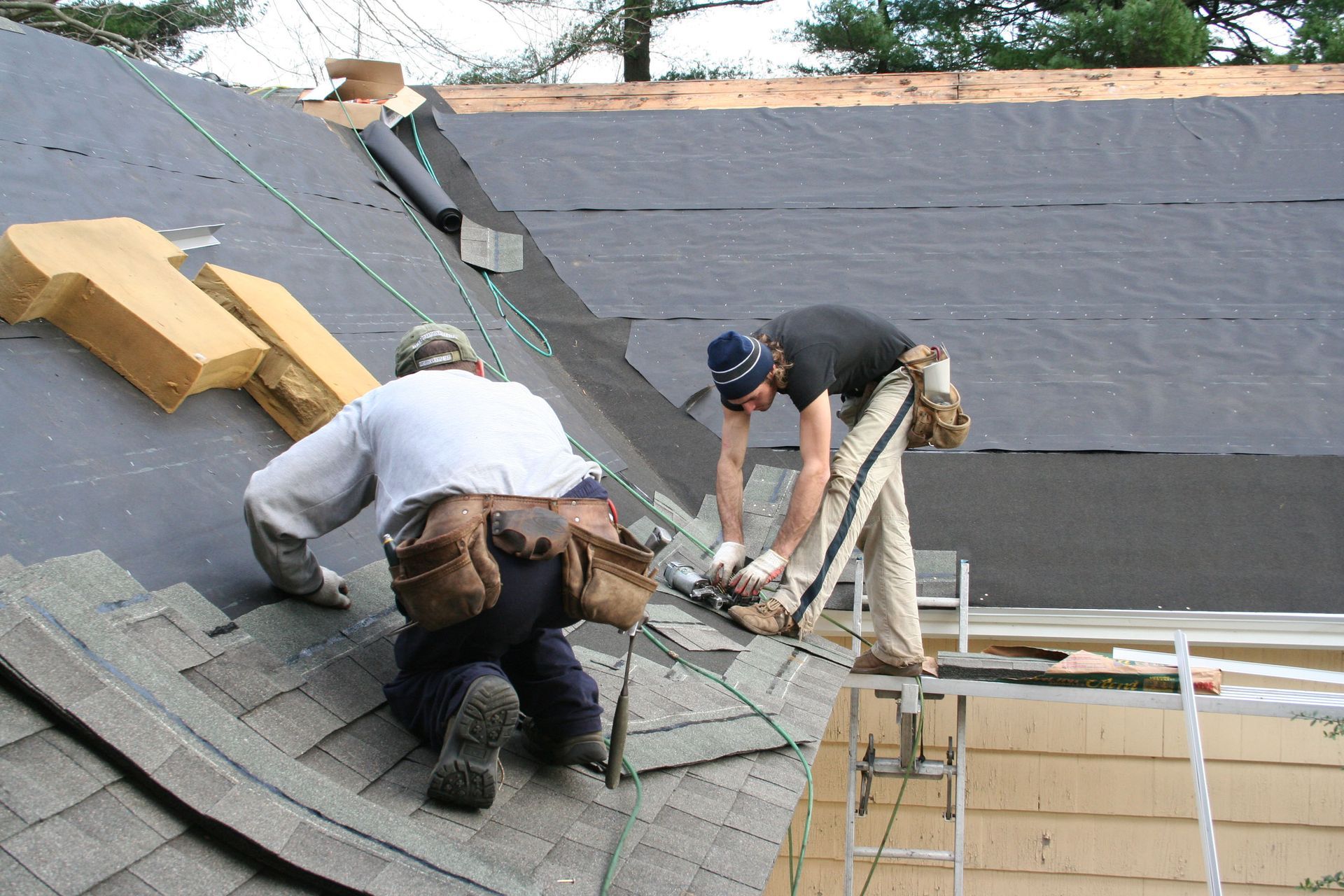
Attempting complex exterior repairs without proper training leads to dangerous physical situations and incredibly substandard results. Certified roofers bring specialized knowledge, specialized tools, and rigorous safety protocols to every single project.
Navigating steep pitches, handling extremely heavy materials, and properly securing safety harnesses require extensive training and physical conditioning. Amateurs simply lack the nuanced understanding of how different structural components seamlessly integrate to form a completely watertight system. A single misplaced nail or improperly sealed joint allows damaging water to easily bypass the outer defenses.
Furthermore, reputable professionals carry comprehensive liability insurance and workers' compensation coverage, shielding the homeowner from any financial responsibility in the event of an unfortunate accident. They also have direct access to high-quality commercial materials not always available at local retail hardware stores.
Engaging knowledgeable experts helps verify that the installation adheres strictly to stringent manufacturer specifications and local municipal building codes. Trusting the intense physical labor and technical planning to dedicated professionals provides peace of mind and secures the home's exterior envelope.
Protecting your residential property requires constant vigilance, highly informed decision-making, and a deep appreciation for professional expertise. The exterior structures endure relentless daily exposure to scorching sun, driving rain, heavy wind, and freezing snow, necessitating a highly proactive approach to home maintenance.
By clearly understanding the physics of ventilation, managing seasonal water drainage, controlling surrounding landscape vegetation, and addressing small surface defects early, property owners drastically reduce the likelihood of catastrophic structural failures.
Thoughtful material selection and expert execution build a resilient home. Consistent care minimizes unexpected expenses while maximizing the lifespan of your property. When upgrading, partnering with professionals yields reliable, beautiful results. Top Notch Roofing Siding provides essential insight for a safe residence. Call us today!