May 26, 2026
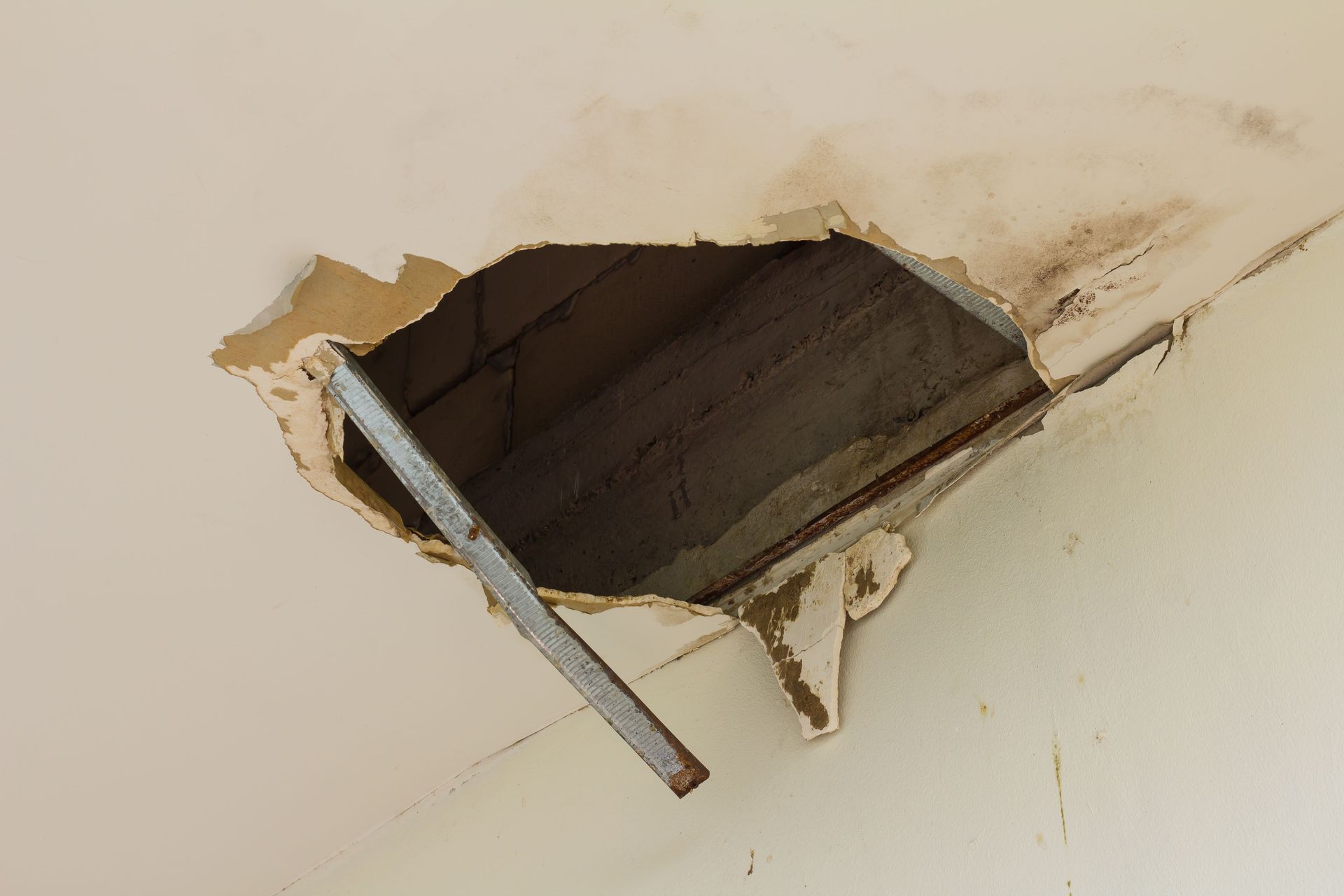
Your home relies on its exterior for protection against the elements. Rain, wind, and harsh sunlight constantly beat down on the surface. From the ground, everything might seem fine. You might see uniform shingles and clean lines. However, the surface appearance rarely tells the whole story. Hidden problems quietly develop over months without giving you obvious warning signs. By the time a leak drips through your ceiling, the internal structure has sustained harm. Catching issues early prevents a massive repair bill later.
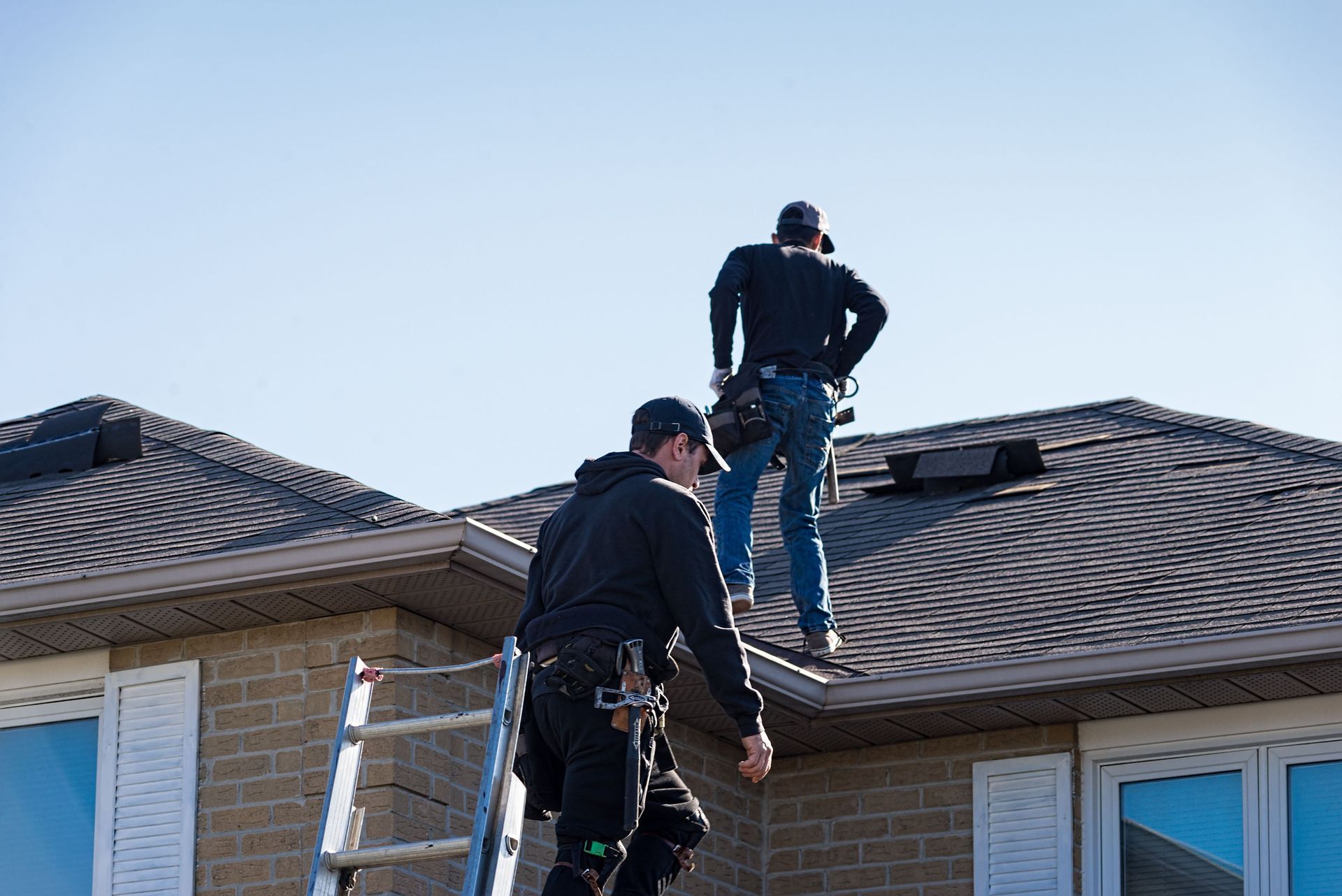
Finding these invisible problems requires specific knowledge. Homeowners don't always have the trained eye to spot minor inconsistencies. This is exactly where roofers step in to evaluate the system. They use a systematic approach to uncover vulnerabilities before they escalate into failures. They know which components fail first and how water behaves when it breaches the defenses. Through careful observation, they piece together the true condition of your exterior.
Inspecting the Attic Space for Moisture
The most revealing clues about your exterior often hide indoors. Professionals begin their assessment by venturing into the highest part of your home. Poor ventilation and hidden leaks trap moisture in this enclosed space. This trapped moisture slowly degrades the wooden decking from the inside out. Evaluators scan the underside of the decking for dark water stains indicating a breach.
It isn't just simple water stains that experts look for; they examine the insulation closely. When water seeps into the attic, fiberglass insulation absorbs the liquid like a sponge. The material compresses and loses its fluffy texture. Compressed insulation indicates an active leak even if the surrounding wood feels dry.
Ventilation issues also leave clear indicators in the attic area. Without proper airflow, heat and humidity build up and bake the exterior from beneath. This heat causes premature aging and makes materials brittle. Inspectors look for rusty nails poking through the decking. They check for mold growth on the wooden rafters, which points to a lack of air circulation.
Light penetration is another critical factor evaluated during the attic phase. During a daytime inspection, experts turn off flashlights to look for natural light piercing through the boards. Visible sunlight means there's an open path for rain to enter. By documenting these light leaks, they create a map of exterior weaknesses for the outside inspection.
Evaluating the Condition of Shingles
Once the interior inspection concludes, the focus shifts to the exterior surface. Shingles act as the primary shield against severe weather conditions. Over time, these protective layers endure thermal shock and physical impacts. Professionals walk the surface carefully to feel for spongy areas that indicate rotting wood below. They examine the wear pattern across different slopes to spot structural problems.
Granule loss stands out as a major indicator of failing materials. Asphalt shingles feature a coating of rough granules that block ultraviolet rays. As the material ages, these granules detach and wash away naturally. Excessive balding leaves the underlying asphalt exposed to direct sunlight. The sun dries out the unprotected asphalt, causing it to crack and revealing severe vulnerability.
Age plays a significant role in how these materials hold up to daily wear. According to RubyHome, an average roof lasts between 20 and 50 years, depending on the materials used. Knowing the exact age helps professional roofers determine if the wear is normal or premature. They look closely at the edges of individual pieces. Curling edges strongly suggest material failure.
Microscopic damage also demands careful attention during the surface walkthrough. Hail and debris strikes leave behind tiny bruises that compromise the waterproofing layer. These hairline fractures remain invisible from the ground. However, they allow moisture to seep underneath the shingle. Experts kneel down to examine the surface at an angle. Catching these tiny fractures prevents slow leaks from causing widespread rot.
Checking the Flashing and Sealants
The most vulnerable points on any home exterior are the transition zones. Wherever a slope meets a vertical surface, the risk of water intrusion skyrockets. Skilled roofers pay special attention to these complex intersections. Chimneys, skylights, and vent pipes require specialized metal pieces called flashing to bridge the gap. If the metal bends or rusts, it creates a direct funnel inside.
Flashing relies heavily on sealants to maintain a watertight bond. Unfortunately, sealants degrade much faster than the surrounding metal and shingles. Sun exposure and temperature fluctuations cause caulking to shrink, harden, and eventually crack. An inspector physically touches the sealant around a chimney to test its flexibility. Reapplying fresh sealant to dried-out sections prevents major leaks from developing.
Rust is another silent enemy of metal transition pieces. Even galvanized steel eventually succumbs to oxidation after years of exposure. Rust eats away at the metal and creates microscopic holes. Inspectors look for orange or brown streaks running down the shingles just below a vent or chimney. Identifying this corrosion early allows for timely metal replacement before water damages the structure.
Improper installation of these transition pieces frequently causes hidden issues. Sometimes, previous roofers failed to layer the flashing correctly with the shingles. Water must flow seamlessly over the metal and down the slope. If the layers overlap incorrectly, water gets trapped underneath the metal instead of shedding away.
Assessing the Gutter System Health
The drainage system plays a massive role in protecting the entire structure. Gutters function together with shingles as one continuous unit. When the drainage system fails, water backs up and attacks the lowest edge of the structure. Inspectors examine the gutters to understand how water leaves the property. A clogged channel forces water to overflow and seep behind the fascia board.
The contents of the gutter provide valuable forensic evidence about the surface condition. Aging shingles shed their protective granules over time. These granules inevitably wash down the slopes and settle in the drainage channels. A heavy buildup of coarse material in the gutters confirms severe surface degradation. By scooping out this debris, inspectors gauge the overall health of the materials sitting above.
Sagging or poorly pitched channels also create significant threats. Gutters must slope slightly toward the downspouts to keep water moving. If the fasteners pull away from the fascia, the channel sags and forms a stagnant pool. Heavy snow and ice usually cause these fasteners to loosen.
The condition of the drip edge requires scrutiny before concluding the exterior check. The drip edge is a specialized metal strip installed beneath the lowest row of shingles. Ensuring this vital piece of metal is positioned correctly is something local roofers prioritize. Without a functional drip edge, water clings to the bottom of the decking and rots the wood.
Maintaining a secure and dry home requires vigilance and a proactive mindset. Waiting for a visible leak to appear on your ceiling is a dangerous game. By that point, the water has already traveled through the decking, saturated the insulation, and stained the drywall. The hidden damage usually costs far more to fix than the original exterior problem. Regular evaluations catch these subtle failures long before they become catastrophic emergencies.
Protecting your investment means understanding the complex relationship between all these structural components. It requires looking beyond the superficial appearance of the shingles. You need professionals who possess the knowledge to read the small signs and predict future failures accurately. They identify poor ventilation, dried sealants, microscopic fractures, and failing drainage systems with precision. Addressing hidden damage early ensures your home remains safe. To do this effectively, roofers always recommend scheduling an annual inspection to catch problems before they spread.
Contact the roofers at Top Notch Roofing Siding today to schedule an evaluation. We'll uncover any hidden issues before they turn into costly repairs.