January 28, 2026
Roofing is a critical part of homeownership, protecting the structure, interior, and long-term value of a property. Yet many homeowners underestimate how much knowledge and planning go into proper roof care. Experienced local roofers work with roofs of all sizes, styles, and materials, giving them practical insight into what truly helps a roof last longer. By understanding what these professionals want homeowners to know, it becomes easier to make smart, proactive decisions that reduce stress, control costs, and extend the life of a roof.
1. The Importance of Regular Roof Inspections
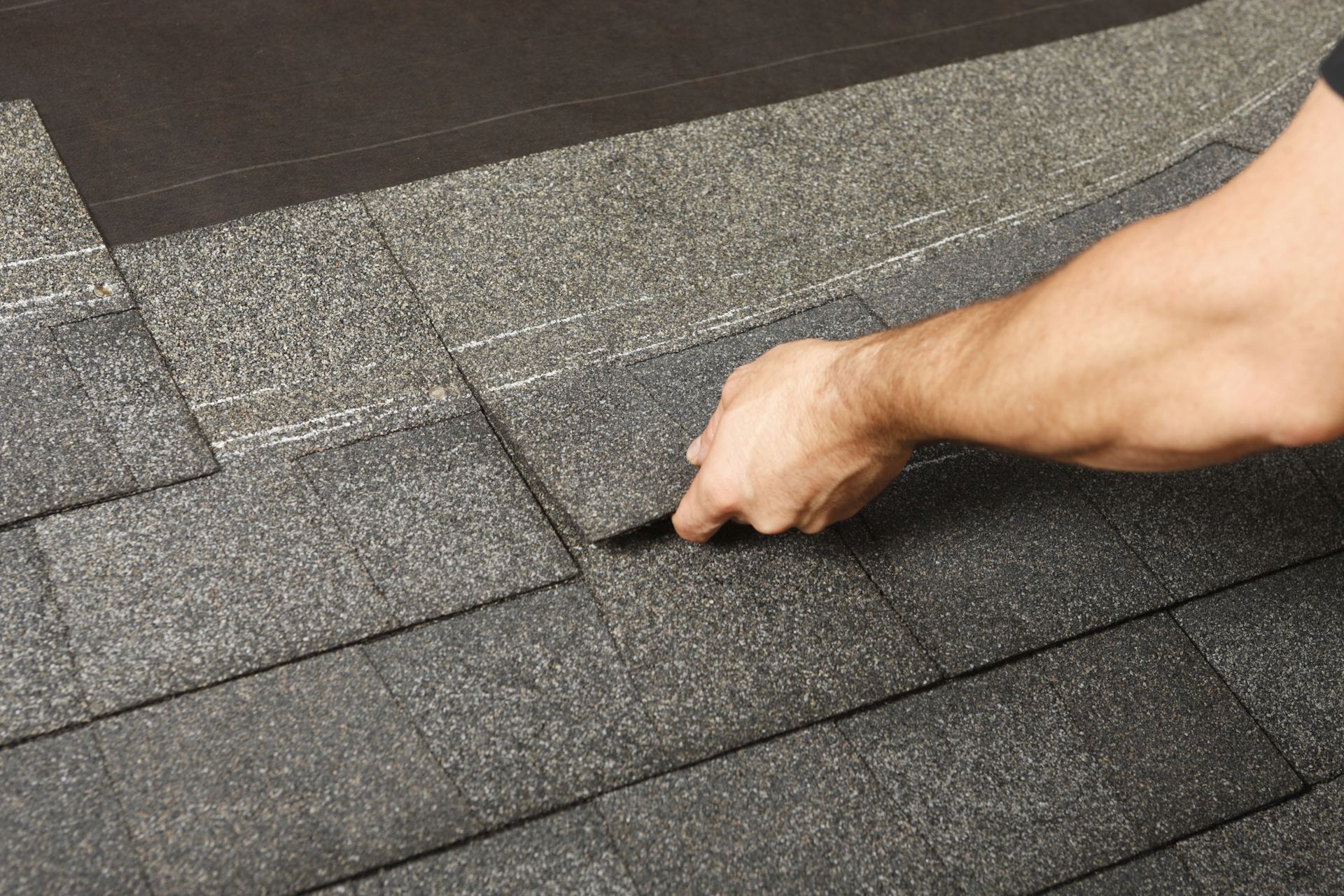
Regular roof inspections are one of the most important practices local roofers recommend. Scheduling inspections at least twice a year allows potential problems to be identified before they develop into expensive repairs. Shingles, flashing, vents, and gutters all experience wear over time, especially after storms or seasonal weather shifts. Early detection of minor issues helps homeowners protect the roof's structure and avoid unnecessary damage.
While some homeowners attempt visual checks on their own, professional inspections offer a deeper level of accuracy. Local roofers are trained to recognize subtle warning signs that may not be obvious from the ground. According to RoofCalc, the average residential roof in the United States is 1,600 square feet, which makes it challenging to thoroughly inspect every section without professional tools and experience. This size alone highlights why professional inspections are so valuable.
Seasonal timing also matters. Cold winters can create ice-related stress, while heavy rain and heat during warmer months can expose weak spots. Local roofers understand how seasonal conditions affect roofing materials and can tailor inspections to address these risks. Consistent inspections ultimately save homeowners money by preventing small concerns from escalating into major repairs.
2. Understanding Different Roofing Materials
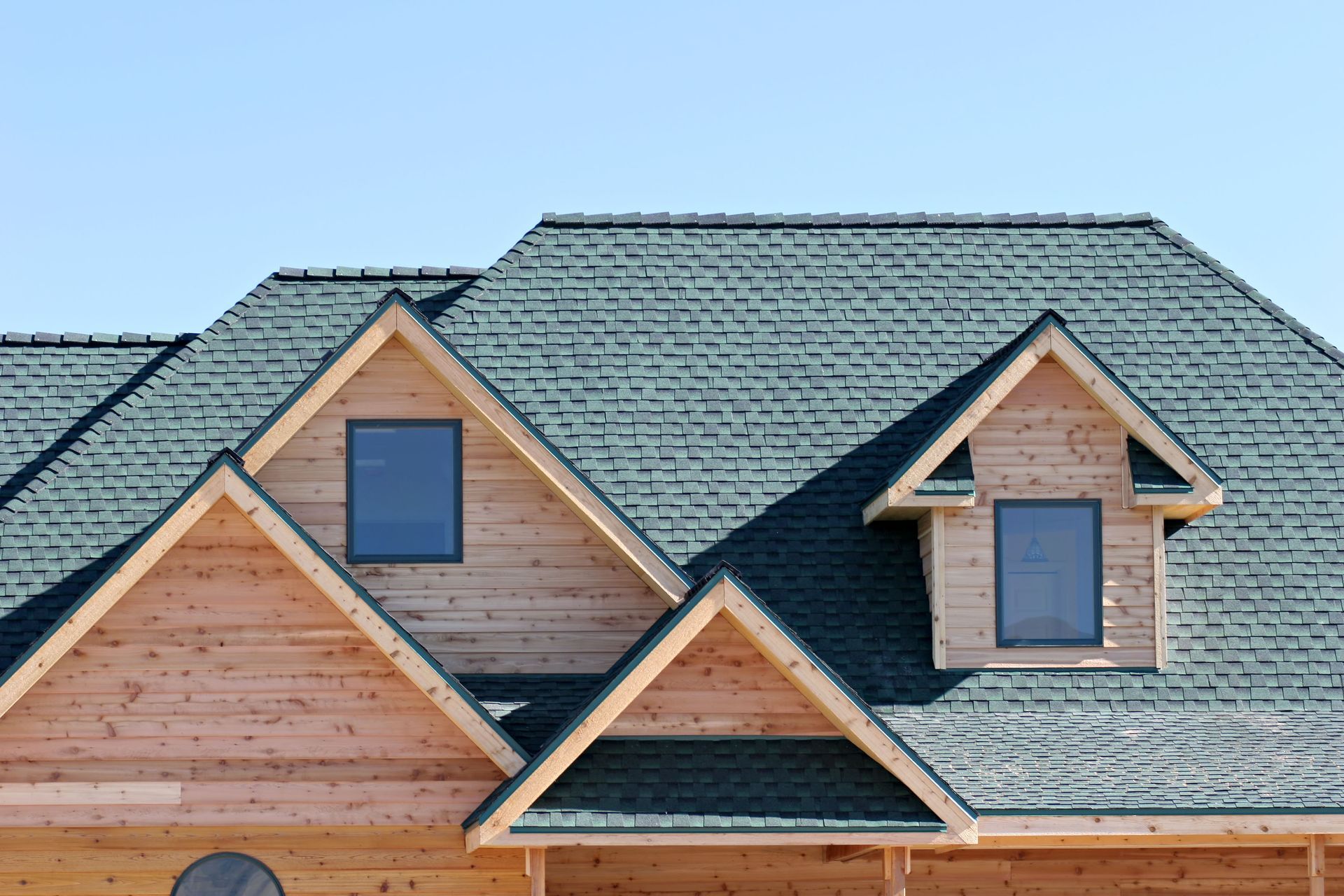
Choosing the right roofing material has a major impact on durability, appearance, and maintenance needs. Common options include asphalt shingles, metal roofing, and tile systems, each offering different benefits. Asphalt shingles remain popular due to affordability and ease of repair, while metal roofs are valued for longevity and resistance to severe weather.
Local availability and climate play a key role in material selection. Local roofers often recommend materials that perform best in regional conditions, whether that means handling high winds, intense heat, or heavy snowfall. Longevity varies significantly by material, making it important for homeowners to consider long-term maintenance and replacement costs when choosing a roof.
Sustainability is also becoming a bigger factor. Eco-friendly materials such as recycled metal or reflective roofing systems help reduce energy usage. Local roofers stay informed about material advancements and can guide homeowners toward options that balance performance, appearance, and environmental responsibility.
3. Navigating Long-Term Care
Roofing warranties offer important protection, but they can be confusing without guidance. Manufacturer warranties typically cover material defects, while workmanship warranties address installation quality. Local roofers often stress the importance of understanding what each warranty includes and how long coverage lasts.
Reading warranty details carefully helps avoid surprises later. Many warranties exclude damage caused by improper maintenance or extreme weather events. Knowing these limitations allows homeowners to take the right steps to keep coverage valid. Local roofers frequently help homeowners understand these terms and maintain compliance.
Proper documentation is essential. Records of inspections, repairs, and maintenance help preserve warranty coverage. By working closely with local roofers who understand warranty requirements, homeowners gain peace of mind knowing their investment is protected.
4. The Impact of Weather on Roof Longevity
Weather is one of the most influential factors affecting roof lifespan. Heat, wind, rain, snow, and hail all place stress on roofing systems over time. Local roofers are familiar with how regional weather patterns impact roofing materials and can recommend solutions designed to withstand those conditions.
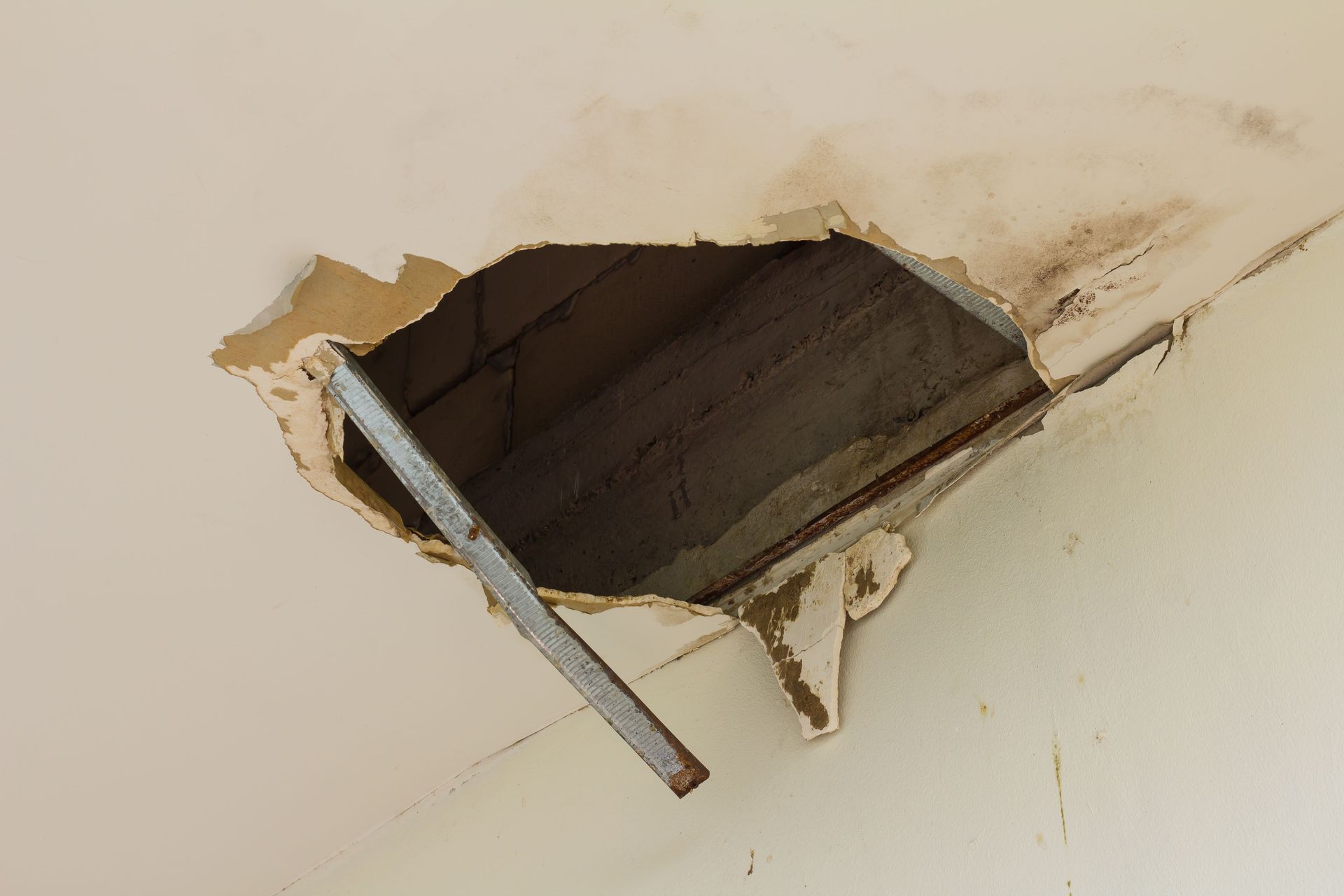
Storm preparedness is a major focus. Reinforcing vulnerable areas before storms arrive and conducting inspections afterward can prevent minor damage from worsening. Local roofers are often the first call after severe weather, providing timely assessments and reliable repairs that protect the roof's integrity.
Insurance claims can also be complicated following storm damage. Local roofers who understand insurance processes can help document damage accurately and support homeowners throughout repairs. Their familiarity with local conditions and insurers makes recovery smoother and more efficient.
5. The Role of a Professional Roofer
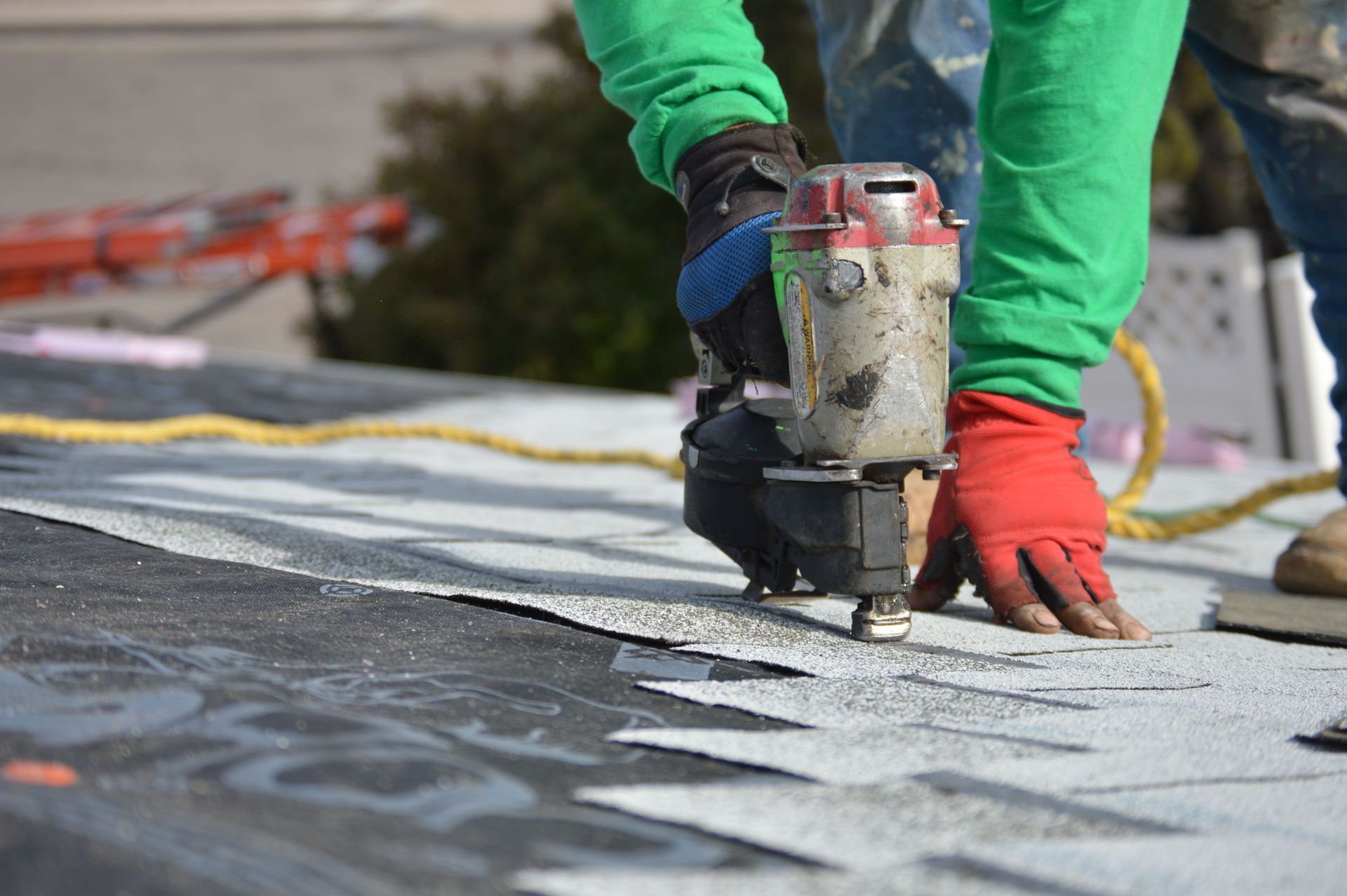
Professional qualifications and certifications matter greatly in roofing work. Roofing systems require precise installation to perform correctly, and experienced local roofers follow established standards to ensure quality results. Verifying credentials helps homeowners feel confident in the work being performed.
Hiring local professionals offers added benefits. Local roofers understand building codes, climate challenges, and material availability specific to the area. Established relationships with suppliers also help projects move efficiently and stay on schedule.
Experience is another key factor. Reviewing references, past projects, and clear estimates helps homeowners choose a roofer they can trust. Building a long-term relationship with reliable local roofers ensures dependable service for future maintenance and repairs.
6. Innovations And Trends In Roofing
The roofing industry continues to evolve with new materials and technology. Energy-efficient roofing systems, including reflective surfaces and improved insulation, are becoming more common. Local roofers stay current with these innovations and help homeowners determine which upgrades make sense.
Smart roofing technology is also gaining attention. Monitoring systems can alert homeowners to moisture intrusion or structural issues before damage becomes severe. Local roofers often integrate these technologies into modern roofing solutions to improve long-term performance.
Solar-ready roofing materials and integrated designs are additional trends shaping the future. As sustainability becomes a priority, local roofers play an important role in helping homeowners adapt to modern roofing advancements while maintaining visual appeal.
7. Long-Term Maintenance Planning And Peace Of Mind
A well-maintained roof performs better and lasts longer when homeowners take a proactive approach to care. Establishing a long-term maintenance plan helps reduce unexpected repairs and ensures small issues are addressed before they grow into major concerns. Routine cleanings, scheduled inspections, and timely minor repairs all contribute to preserving the roof’s performance and appearance over time.
Maintenance planning also allows homeowners to budget more effectively. Rather than facing sudden, costly emergencies, a structured plan spreads expenses out in a more manageable way. This approach supports consistent roof performance while minimizing disruptions to daily life. Homes that follow a maintenance schedule often experience fewer leaks, better insulation efficiency, and improved overall durability.
Beyond the practical benefits, long-term maintenance provides peace of mind. Knowing the roof is cared for and monitored regularly reduces stress during severe weather and seasonal changes. With the right planning in place, homeowners can feel confident their roof is prepared to protect their home year after year.
8. Planning Ahead For Repairs And Future Upgrades
Thinking ahead is one of the smartest ways homeowners can protect their roofing investment. Even a well-built roof will eventually require repairs or updates, and having a general plan in place helps reduce uncertainty. Understanding typical repair timelines, material lifespans, and upgrade options allows homeowners to make calm, informed decisions rather than rushed ones during emergencies.
Future planning also helps align roofing needs with broader home improvement goals. Whether coordinating a roof update with exterior renovations or budgeting for eventual replacement, preparation makes the process smoother. Homeowners who plan ahead are better positioned to choose materials and solutions that match both performance needs and long-term goals.
By staying informed and proactive, homeowners can avoid surprises and maintain consistent roof performance. This forward-looking approach supports long-term durability, protects property value, and ensures the home remains well-prepared for years to come.
Understanding what experienced local roofers want homeowners to know makes roof care more manageable and less stressful. From inspections and material selection to weather preparation and modern innovations, professional guidance leads to better outcomes and longer-lasting roofs. For homeowners seeking trusted expertise and dependable service, Top Notch Roofing Siding is ready to help.