March 25, 2026
A well-maintained roof is essential for protecting a property from the elements, preserving structural integrity, and maintaining long-term value. When issues arise, seeking professional help is the most effective way to address concerns before they escalate. A qualified roofing contractor brings the experience, tools, and knowledge required to handle a wide range of roofing challenges efficiently.
Whether dealing with minor wear or significant damage, timely service can prevent costly complications. Understanding when and why to contact a roofing contractor helps property owners make informed decisions that protect both their investment and safety.
1. Identifying Visible Roof Damage
Subtle signs of roof damage can quickly worsen if left unaddressed. Missing shingles, cracked tiles, and visible sagging indicate underlying problems that require professional evaluation. A roofing contractor can assess these issues thoroughly, identifying both surface-level damage and hidden concerns beneath the roofing materials.
Even small defects can allow moisture to penetrate the structure, leading to rot, mold growth, and insulation damage. Prompt service limits the spread of deterioration and helps maintain the roof’s structural performance. By contacting a roofing contractor early, property owners reduce the likelihood of extensive repairs later.
2. Addressing Water Intrusion Issues
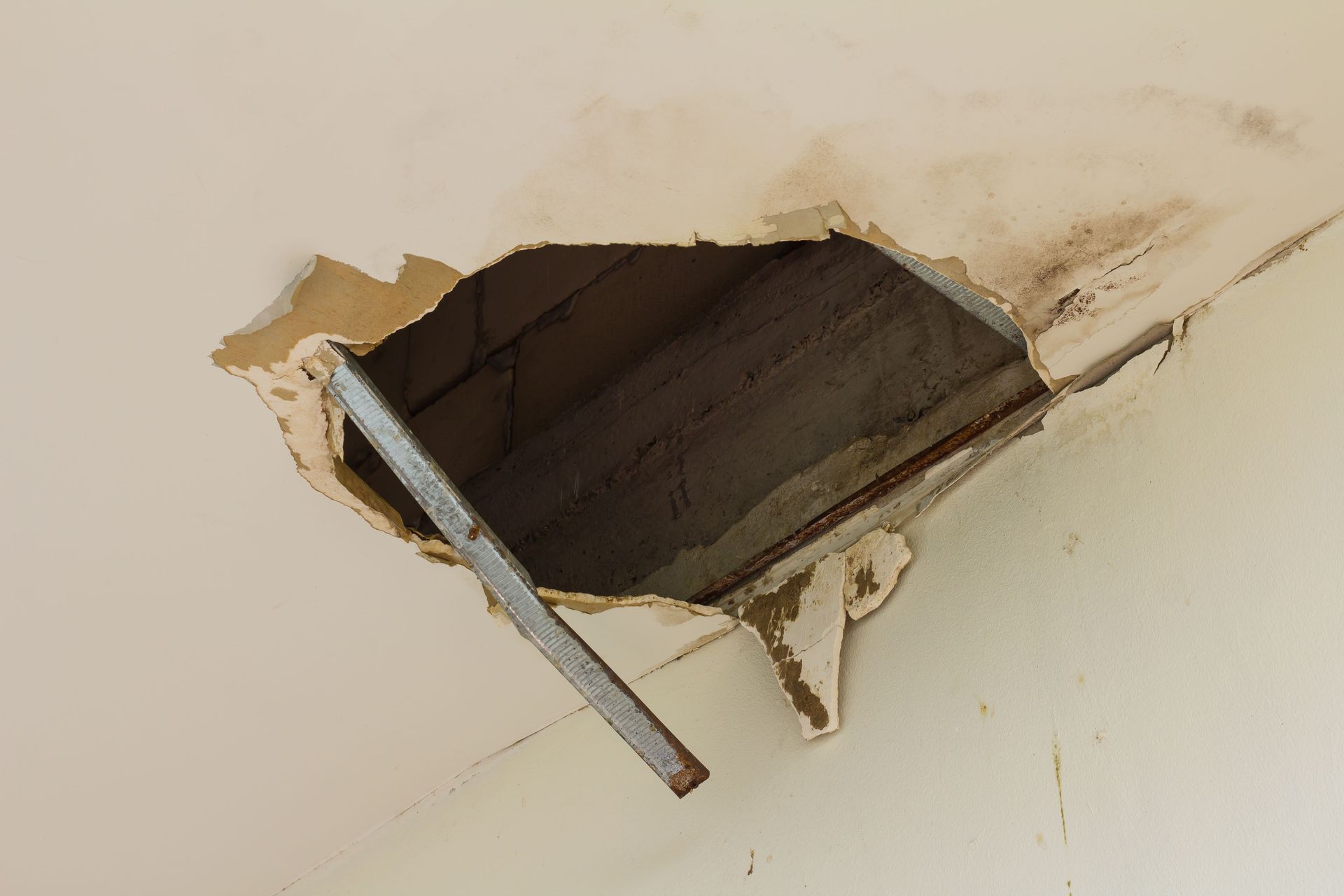
Water intrusion is one of the most damaging problems a roof can face. Leaks can develop around flashing, vents, skylights, or worn roofing materials, allowing water to enter the building envelope. Once inside, moisture can damage ceilings, walls, electrical systems, and structural components.
A roofing contractor can locate the source of leaks using professional inspection techniques and repair them with precision. This targeted approach prevents recurring issues and minimizes interior damage. Acting quickly when water intrusion is detected protects both the property and its occupants from long-term complications.
3. Preventing Structural Deterioration
Roofing systems play a critical role in maintaining a building’s structural stability. When compromised, they can place stress on supporting components such as rafters and decking. Over time, this can lead to warping, weakening, or even partial collapse in severe cases.
A roofing contractor evaluates the condition of structural elements during inspections, identifying areas that require reinforcement or replacement. Early intervention helps maintain the integrity of the entire structure, preventing more serious and expensive damage.
4. Extending Roof Lifespan
Every roofing system has a finite lifespan, but regular professional attention can significantly extend its service life. Environmental exposure, temperature fluctuations, and debris accumulation all contribute to gradual wear. Without proper care, these factors can shorten the roof’s longevity.
A roofing contractor performs routine maintenance, including cleaning, sealing, and repairing vulnerable areas. This proactive approach keeps the roof in optimal condition for a longer period, delaying the need for full replacement and maximizing the value of the original installation.
5. Improving Energy Efficiency
Roof condition directly impacts a building’s energy performance. Damaged or aging roofing materials can compromise insulation and ventilation, leading to higher heating and cooling costs. Gaps, cracks, or degraded surfaces allow conditioned air to escape and external temperatures to influence indoor environments.
A roofing contractor can identify inefficiencies and recommend improvements such as upgraded materials, better ventilation systems, or sealing solutions. These adjustments help regulate indoor temperatures more effectively, reducing energy consumption and lowering utility expenses over time.
6. Managing Storm and Weather Damage
Severe weather events can cause sudden and significant roof damage. High winds, heavy rain, hail, and falling debris can dislodge materials, puncture surfaces, or weaken structural components. Even when damage is not immediately visible, underlying issues may still be present.
A roofing contractor conducts detailed post-storm inspections to assess the full extent of the impact. This includes identifying hidden damage that could lead to future problems. Timely repairs restore the roof’s protective function and reduce the risk of additional deterioration following extreme weather conditions.
7. Handling Insurance and Documentation Needs
Roof damage often involves insurance claims, which require accurate documentation and clear reporting. Navigating this process can be complex without professional support. A roofing contractor can provide detailed assessments, photographs, and repair estimates that align with insurance requirements.
This documentation helps streamline the claims process and supports fair evaluations of damage. Working with a roofing contractor in these situations allows property owners to move forward with repairs more efficiently while maintaining clear communication with insurance providers.
8. Maintaining Safety Standards
Roofing systems must meet safety and building code requirements to function properly. Compromised structures can pose risks to occupants, including potential collapse, falling debris, or water-related hazards. Regular inspections help identify and address these risks before they escalate.
A roofing contractor follows established safety protocols when evaluating and repairing roofs. This includes assessing load-bearing capacity, securing materials, and verifying proper installation practices. Maintaining these standards supports a safer environment for everyone in the building.
9. Upgrading Roofing Materials
Over time, advancements in roofing materials have introduced more durable and efficient options. Older systems may not provide the same level of protection or performance as newer alternatives. Upgrading materials can improve resistance to weather, enhance insulation, and reduce maintenance needs.
A roofing contractor can recommend suitable materials based on the property’s structure, climate, and long-term goals. Professional installation of updated materials improves overall performance while increasing the property’s value and appeal.
10. Responding to Aging Roof Systems
As roofs age, they become more susceptible to wear, damage, and performance issues. Shingles may curl or crack, flashing can deteriorate, and protective coatings may lose effectiveness. These changes can compromise the roof’s ability to protect the building.
A roofing contractor evaluates aging systems to determine whether repairs or replacement are the most practical option. Addressing age-related concerns proactively reduces the likelihood of sudden failures and helps maintain consistent performance over time.
11. Supporting Property Value Preservation
The condition of a roof plays a significant role in overall property value. A well-maintained roof enhances curb appeal and signals proper care to potential buyers or tenants. Conversely, visible damage or neglect can reduce value and deter interest.
According to the National Roofing Contractors Association, there are more than 80,000 roofing contractor businesses operating across the United States. This widespread availability of professional services highlights the importance of regular maintenance and timely repairs in preserving property value.
A roofing contractor contributes to this effort by maintaining the roof’s condition and addressing issues promptly. This ongoing attention supports long-term asset preservation and can make a property more attractive in the marketplace.
12. Scheduling Routine Inspections
Routine roof inspections are a critical component of roof maintenance. Over time, minor issues can develop that are not immediately visible but may lead to significant problems if ignored. Regular evaluations help identify these concerns early.
A roofing contractor performs comprehensive inspections, checking for damage, wear, and potential vulnerabilities. These assessments provide valuable insight into the roof’s condition and allow for timely repairs. Consistent inspection schedules help maintain performance and reduce unexpected repair costs.
13. Enhancing Overall Performance
A roof that functions efficiently contributes to the overall performance of a building. Proper drainage, secure materials, and balanced ventilation all play a role in maintaining durability and comfort. When any of these elements are compromised, the entire system can be affected.
A roofing contractor addresses these components as part of a comprehensive maintenance strategy. By improving drainage systems, reinforcing weak areas, and optimizing ventilation, professional services support a more reliable and long-lasting roofing system.
Calling a roofing contractor at the right time can prevent minor issues from developing into major problems. From identifying damage and addressing leaks to improving energy efficiency and extending lifespan, professional service plays a key role in maintaining a dependable roofing system. For dependable service and long-term results, contact your local roofing contractor at Top Notch Roofing Siding today to keep your property protected and performing at its best!